

 0331 630 3200
Have you ever wondered how Halloween is celebrated in different corners of the world? While trick-or-treating and haunted houses might be the norm in some places, many countries have their own unique ways of honouring the spooky season. From the vibrant and heartfelt Día de los Muertos (Day of the Dead) in Mexico, where families celebrate the spirits of their ancestors, to the mysterious rituals of the Hungry Ghost Festival in Vietnam, where offerings are made to appease wandering souls, the supernatural is embraced in fascinating ways across the globe. Join us as we explore these eerie and enchanting traditions that bring Halloween to life in diverse cultures around the world!
United States
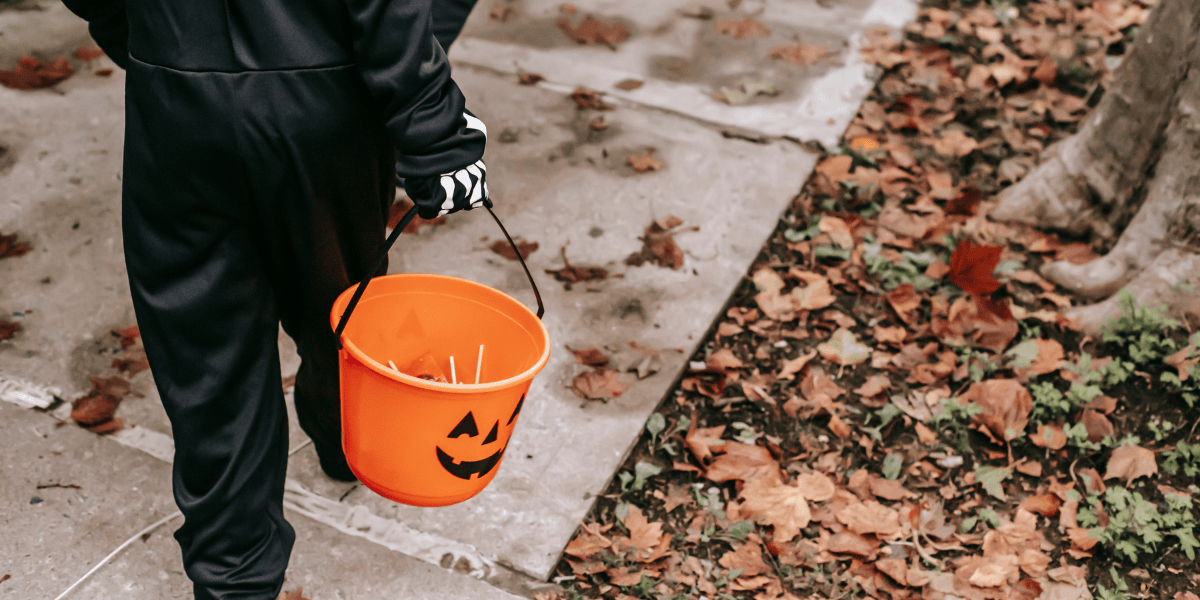
Halloween has become a staple of American culture, with its thrilling blend of spooky fun and age-old traditions. From dressing up in creepy costumes and wandering through haunted houses to carving jack-o’-lanterns and sharing spine-chilling stories, the holiday is full of activities that spark excitement. And of course, we can’t forget the timeless favorite: trick-or-treating! But did you know that many of these beloved customs were brought to the U.S. by immigrants in the mid-19th century? These eerie traditions have a rich history that’s evolved over time, creating the Halloween we know and love today.
Currency: US Dollars (USD)
Ireland
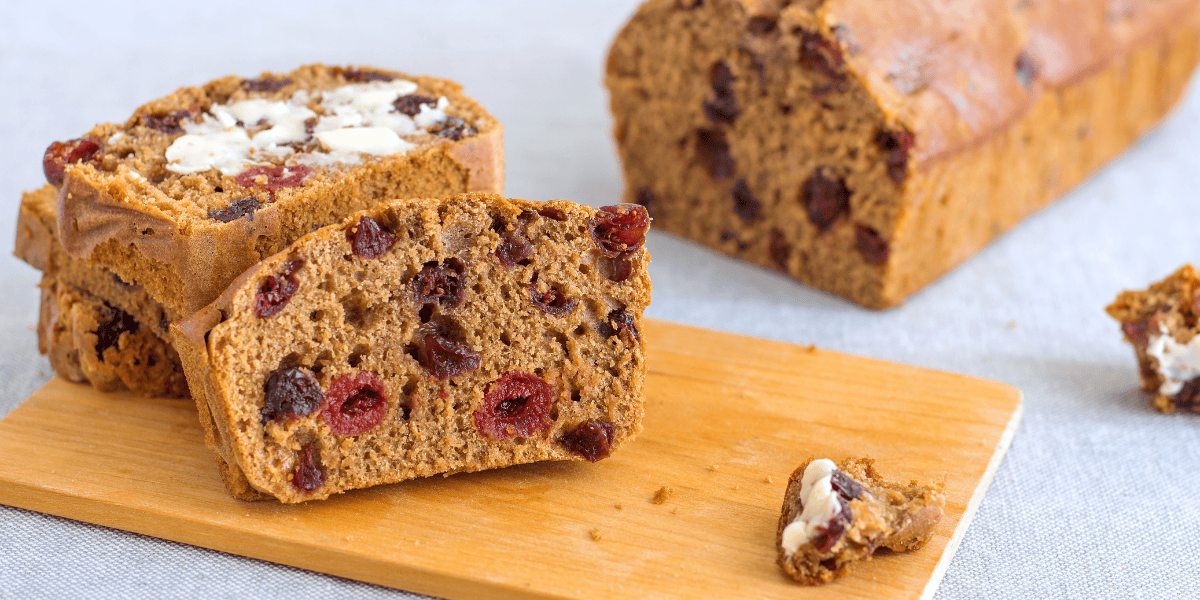
Did you know that Ireland is considered the birthplace of modern Halloween? Its roots trace back to the ancient Celtic festival of Samhain, a time when the veil between the living and the dead was believed to be at its thinnest. One of the more enchanting traditions that has survived through the ages is the Irish fortune-telling barmbrack—a delicious fruit cake baked with hidden treasures inside. Depending on what you find, your fortune could range from marriage (if you discover a ring) to wealth (with a coin), or even misfortune (marked by a rag). It’s a tasty way to glimpse into the future during Halloween!
Currency: Euros (EUR)
Mexico
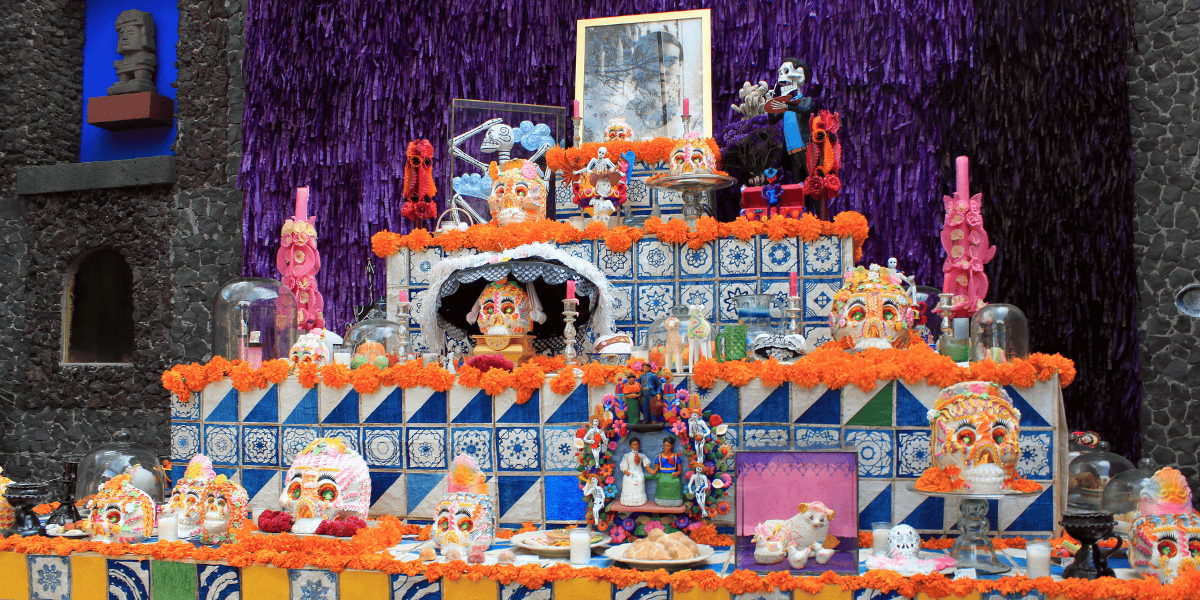
Día de los Muertos, or Day of the Dead, may have originated in Mexico, but its colourful and heartfelt traditions have now spread across the globe. Beginning on the evening of October 31st or November 1st and lasting through November 2nd, this beautiful celebration is all about honouring and remembering loved ones who have passed away. Families create elaborate altars, known as ofrendas, adorned with photographs, candles, marigolds, and favourite foods and drinks of the departed. These offerings are believed to invite the spirits back for a joyful reunion, where the living and the dead come together to celebrate life and memory in a vibrant display of love and tradition.
Currency: Mexican Peso (MXN)
Japan
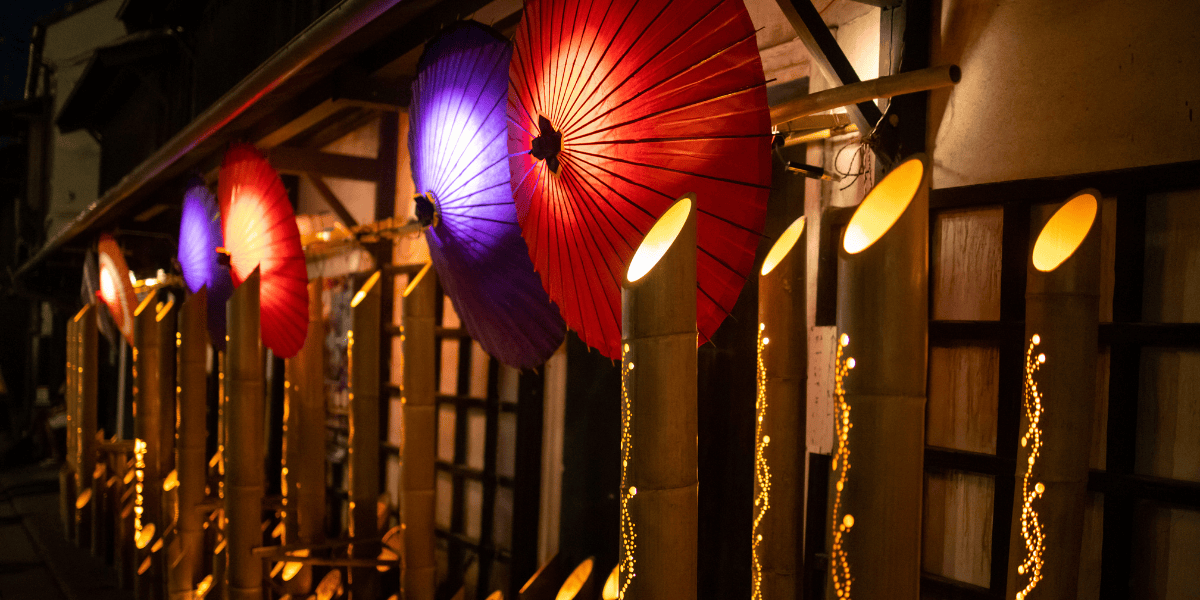
In Japan, the Obon festival holds deep cultural and spiritual significance, celebrated as a national holiday dedicated to honouring ancestors. This three-day Buddhist festival is a time when families reunite, often travelling back to their hometowns to pay respect to their departed loved ones. During Obon, the air fills with celebration, as traditional dances, food, and rituals occur. One of the most beautiful customs is the lighting of lanterns, which are believed to guide the spirits of ancestors back home for a brief reunion with their families. It’s a moving blend of remembrance, gratitude, and the joy of togetherness.
Currency: Japanese Yen (JPY)
Vietnam
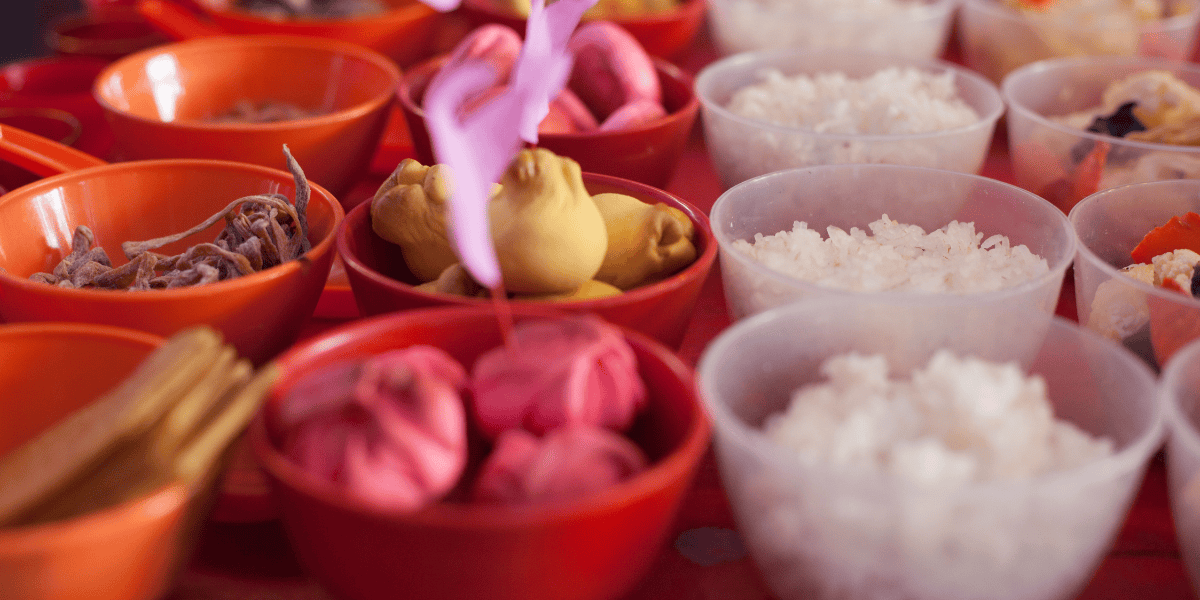
Tết Trung Nguyên, also known as the Hungry Ghost Festival, is a fascinating time when condemned souls are believed to be granted forgiveness and temporary freedom from the underworld. During this festival, families make offerings of food, paper effigies, incense, and prayers to appease these wandering spirits, ensuring they are well-fed and at peace. The idea is to provide comfort to the ghosts so they don’t cause mischief or misfortune among the living. It’s a powerful blend of spirituality and superstition, where the living show compassion for the unseen world and seek harmony with the restless spirits.
Currency: Vietnamese Dong (VND)