

 0331 630 3200


 Great THB exchange rate
Thailand currency information
The official currency of Bangkok (and all Thailand) is the Thai Baht, symbolized as ฿ and with the ISO code THB. The Baht is divided into 100 satang, though satang coins are rarely used.
| Currency Name: | Thai Baht |
| Currency Code: | THB |
| Currency Symbol: | ฿ |
| Banknotes: | ฿20, ฿50, ฿100, ฿500, ฿1000 |
| Baht coins: | 1, 2, 5, 10 |
| Satang coins: | 1, 5, 10, 25, 50 |
For UK holidaymakers, Bangkok generally offers a significantly lower cost of living compared to major UK cities like London, with expenses often around 53% cheaper while maintaining a comparable standard of living
Should I Exchange Pounds to Thai Baht Now?
To get the best exchange rate for Thai Baht, it is a good idea to monitor the GBP to THB exchange rate before your trip. By buying your travel money in advance, you’ll lock in the exact rate you receive, which may be better than using ATMs or exchanging currency in Bangkok.
Is Bangkok Expensive?
No, Budapest is significantly less expensive compared to the UK, especially London.
Once you’ve booked your travel and accommodation in Bangkok it’s time to start thinking about your holiday budget. Remember to factor in the average costs of meals, drinks, entrance fees to attractions, transportation and a bit extra for tipping and small purchases.
Typical prices in Bangkok

| 3 course meal for two (mid-range restaurant) | 1,000 ฿ |
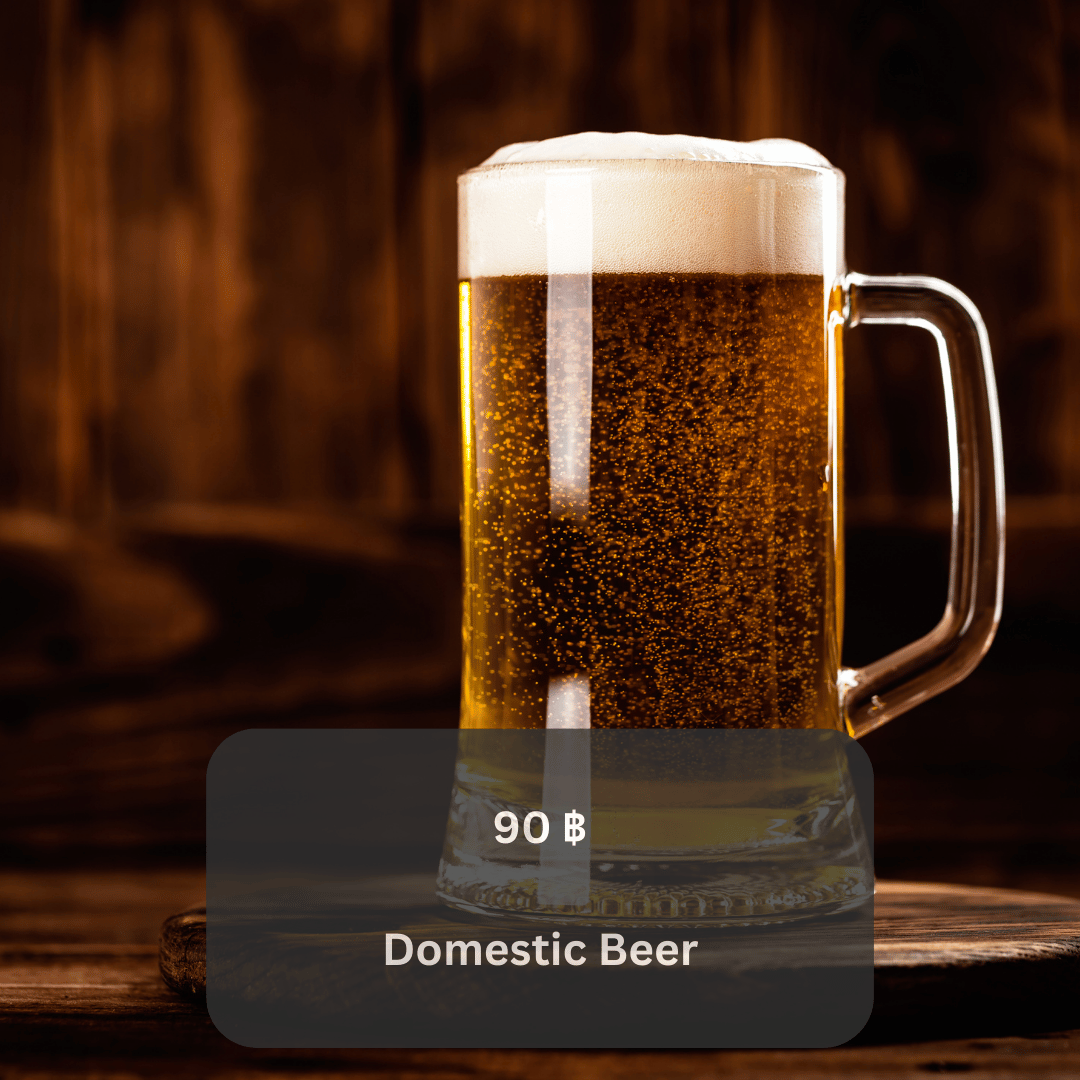
| Pint of domestic beer | 90 ฿ |
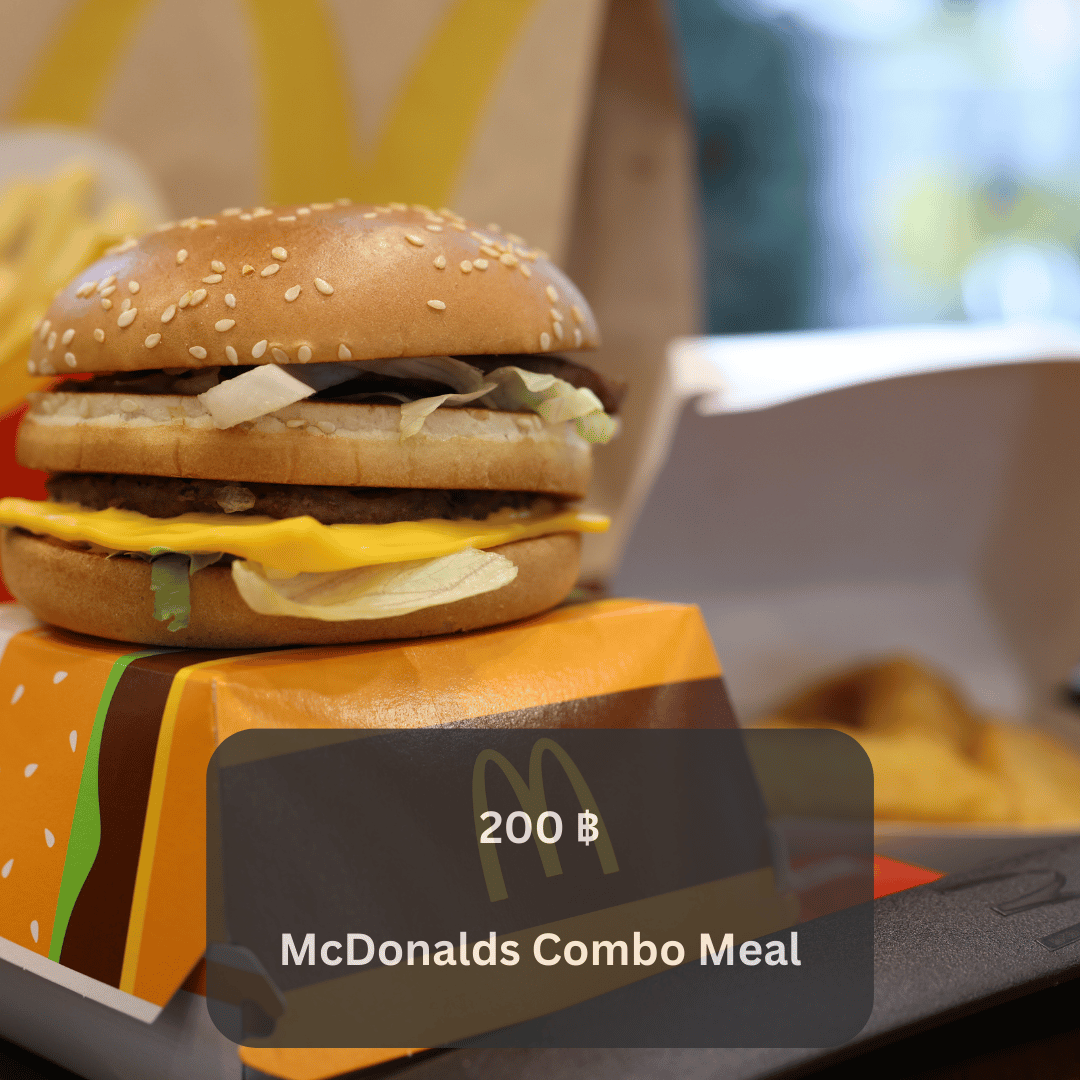
| McDonalds combo meal | 200 ฿ |
| Cappuccino | 88.81 ฿ |
Don’t forget to tip in Bangkok while it’s not mandatory. It is nice to show your appreciation with a 10% tip, if the service charge is not included in the bill.
Cost of Attractions in Bangkok


When visiting Bangkok, here are some typical costs for popular attractions:
| The Grand Palace and Wat Phra Kaew | 500 ฿ |
| Wat Pho | 300 ฿ |
| Wat Arun (Temple of Dawn) | 200 ฿ |
Please note that these prices are approximate guidelines and may be subject to change. It’s recommended to check the official websites or providers for the most up-to-date pricing information before your visit to Bangkok.
Cost of transportation in Bangkok
For public transport, prepaid cards like the BTS Rabbit Card and MRT card are convenient for getting around Bangkok.
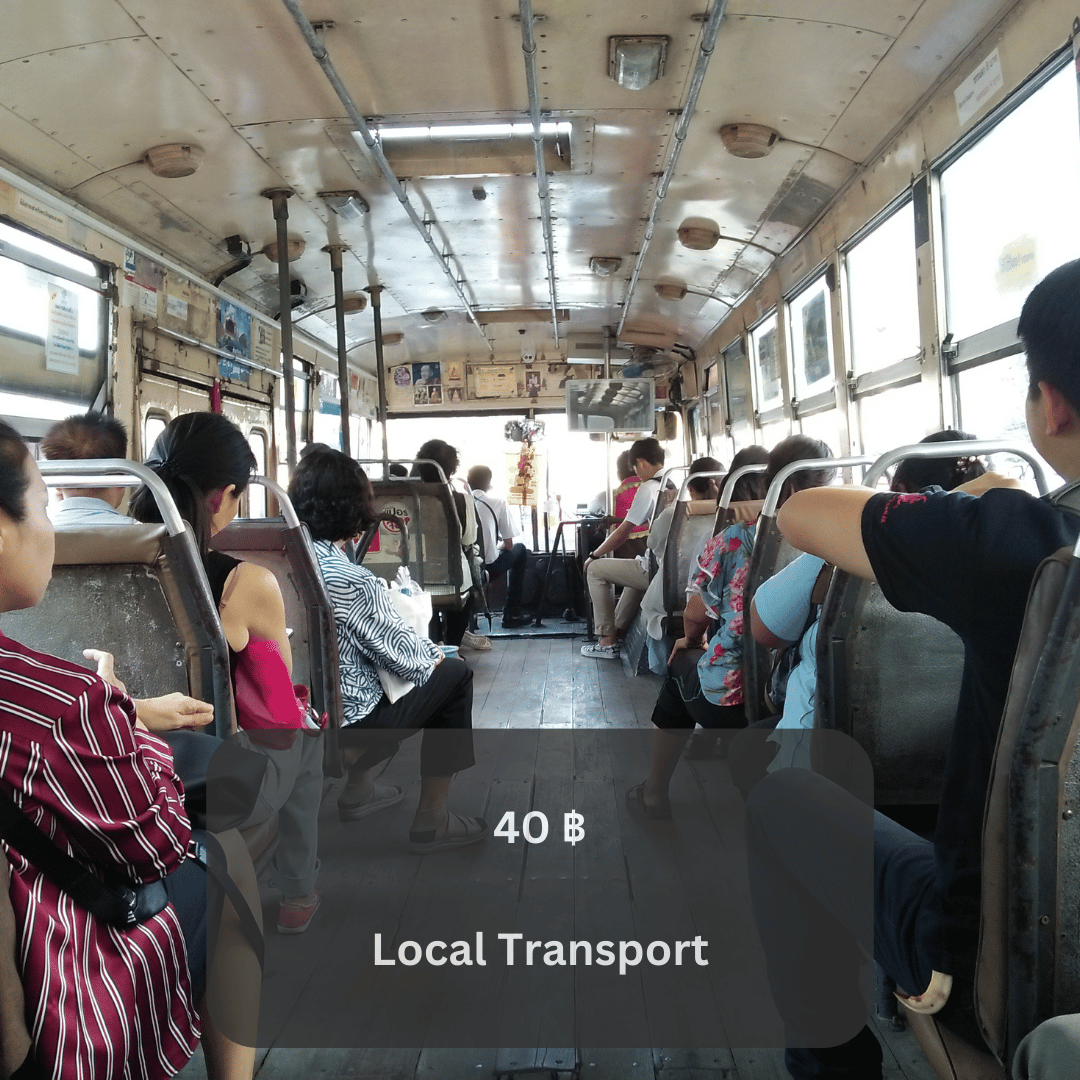
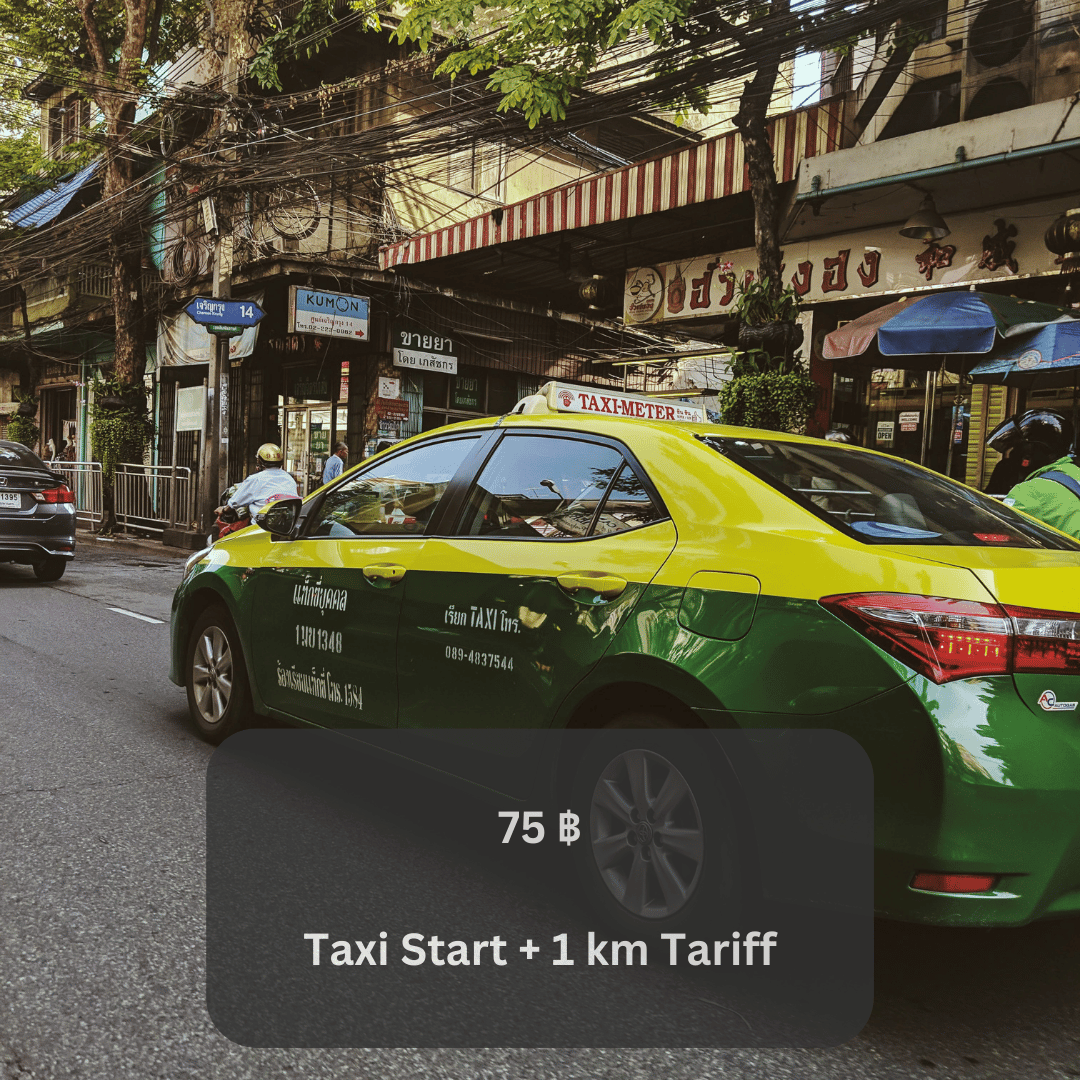
| One-way Ticket (Local Transport) | 40 ฿ |
| Monthly Pass (Regular Price) | 1,200 ฿ |
| Taxi Start (Normal Tariff) | 35 ฿ |
| Taxi 1km (Normal Tariff) | 40 ฿ |
Cost of Airport Transfer
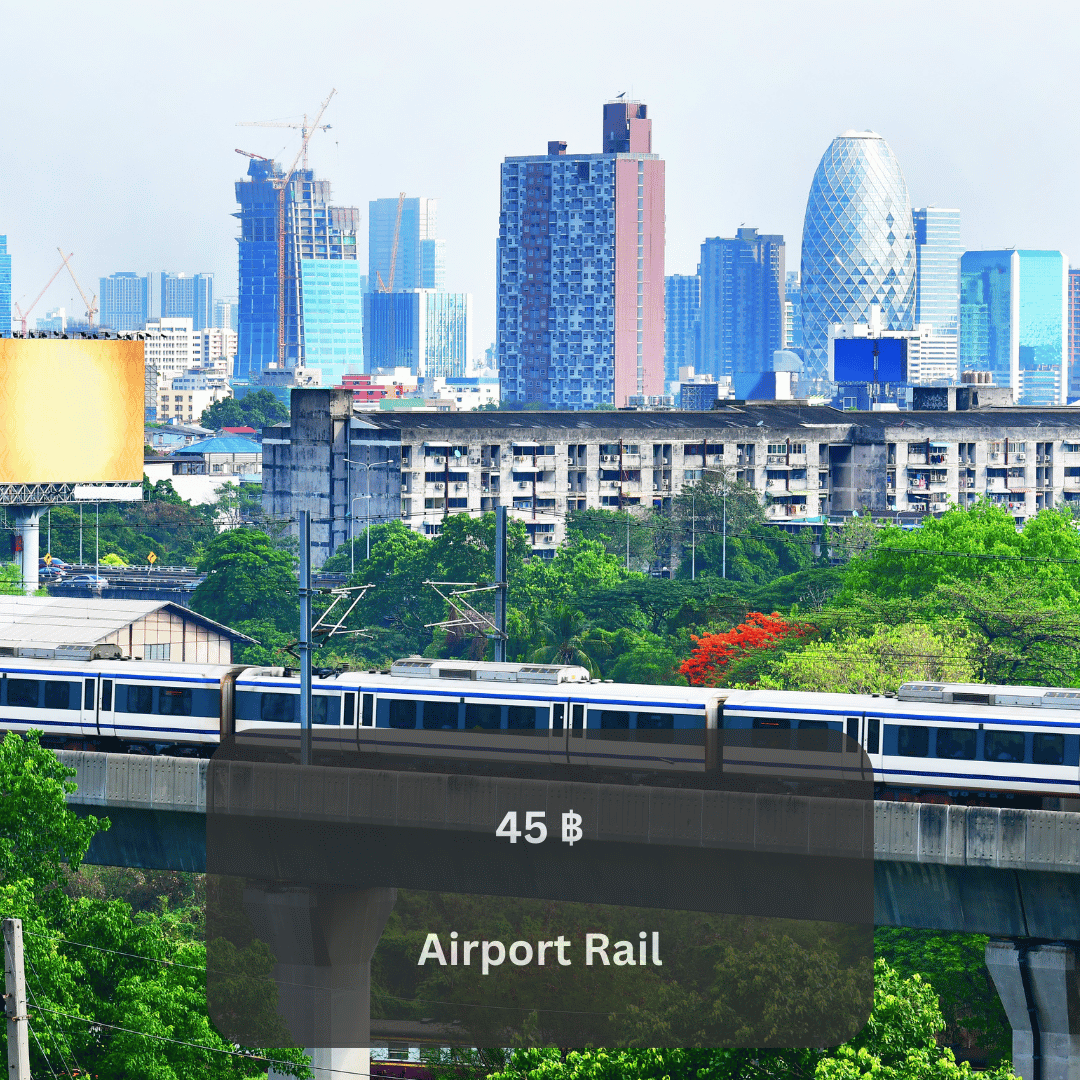
From the airport, you can take a taxi or buses into Bangkok.
| Airport Transfer | Typical Cost | Duration |
| Taxi | 300–500 THB | 30 – 40 minutes |
| Airport Rail Link (ARL) | 45 THB | 26- 30 minutes |
| Bus | ~100 THB | 60+ minutes |
Data sources: https://bangkokairporttrain.com/
Payment Methods used in Bangkok?
While cash remains a popular choice, a combination of cash and cards is recommended for your trip to Bangkok.
- Cash remains widely used, especially for small purchases, street food, markets, and local transport. Over 80% of transactions in Thailand are still done in cash. Always carry some Thai baht for tips, small shops, and places that do not accept cards.
- Debit and credit cards are widely accepted in hotels, large restaurants, shopping malls, and tourist areas. Visa and MasterCard are the most commonly accepted.
Using your bank card in Bangkok
Be mindful of potential additional fees such as:
- Foreign transaction fee: Most UK banks charge a foreign transaction fee of around 2.99% on cash withdrawals and purchases in Thailand
- Cash advance fee: Many UK credit cards charge a cash advance fee (often 3% or a minimum amount) for ATM withdrawals.
- ATM operator fee: ATMs are readily available across Bangkok for cash withdrawals. UK cards (including debit and credit cards) can be used, but expect a fee of 150–220 THB per withdrawal from Thai banks.
To avoid these fees, buy your Thai Baht in advance.